Guide
In short
India has no law written specifically for “research peptides”. Indian drug law looks at what a substance is meant for: the Drugs and Cosmetics Act, 1940 treats as a drug anything intended to diagnose, treat or prevent disease in people or animals. Importing drugs and selling them both need licences, and a new drug India has not approved can be imported for examination, test or analysis only under a licence from the national regulator, CDSCO. JP Peptides sells compounds strictly for laboratory research, ships only within India, and asks every buyer to confirm that use at checkout. This guide sets out the rules with sources. It is not legal advice.
Key takeaways
- There is no separate legal category for research peptides in India; the Drugs and Cosmetics Act decides by intended use.
- Importing a drug into India generally needs a CDSCO licence, and customs can hold goods that need one.
- A new drug can be imported for test or analysis only under a CDSCO licence, and that material may not be sold or passed on.
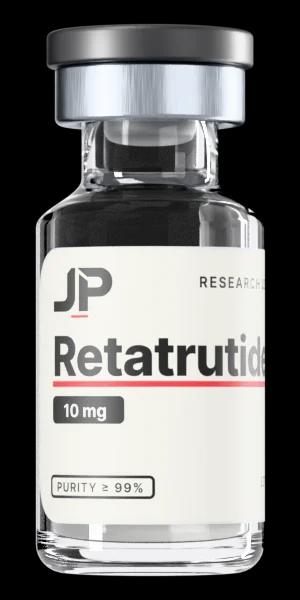
- Retatrutide does not appear in CDSCO’s published lists of approved new drugs for 2023 to 2026 (checked in October 2026; the latest list is dated March 2026).
- JP Peptides sells for laboratory research only and asks buyers to confirm that at checkout.
What does “research use only” mean?
It means the material is sold for laboratory work, not as a medicine, supplement, cosmetic or food. At JP Peptides it is a firm rule: nothing we sell is for use in a person or an animal, and we give no guidance on use in people or animals.
Our research-use policy sets this out in full. It also says plainly that the compounds we sell are not approved as medicines in India, and that several are still in clinical trials.
How does Indian law treat peptides?
The main law is the Drugs and Cosmetics Act, 1940. Its definition of a drug (section 3(b)) is broad: it covers medicines for people or animals and any substance intended for the diagnosis, treatment, mitigation or prevention of disease. There is no separate entry for peptides or for research chemicals. What a substance is meant for is what counts.
Under section 18(c) of the Act, nobody may sell, stock or distribute a drug except under a licence. Sale licences are issued under rule 61 of the Drugs Rules, 1945: Forms 20 and 21 for retail, Forms 20B and 21B for wholesale.
Unapproved compounds fall under the New Drugs and Clinical Trials Rules, 2019. Broadly, they define a new drug as one that has not been used in India to any significant extent and has not been approved as safe and effective by India’s Central Licencing Authority. As of October 2026, retatrutide does not appear in CDSCO’s published lists of approved new drugs for 2023, 2024, 2025 or 2026 (the latest list is dated March 2026).
Note
Because the law turns on intended use, JP Peptides never describes a compound as a treatment and does not sell anything for use in people or animals.
What are the rules for importing peptides into India?
- CDSCO regulates drug imports under Chapter III of the Act and Part IV of the Drugs Rules. It says any substance that falls within the definition of a drug must be registered before import.
- An import licence in Form 10 is required to import drugs (Rule 23 of the Drugs Rules).
- Small quantities of a drug may be imported for examination, test or analysis, but only under a licence: Form 11 under the Drugs Rules, or, for a new drug, a licence applied for on Form CT-16 and granted on Form CT-17.
- Nothing imported under a CT-17 test licence may be sold or supplied to anyone else.
- Customs officers have the same powers over drugs imported in breach of the Act as over other prohibited goods (section 11). CDSCO runs port offices at major airports and seaports.
Has India’s regulator said anything about GLP-1 drugs?
Yes. Two examples: in August 2023 CDSCO issued an alert about suspected falsified GLP-1 products and told buyers to get them only from authorised sources with a proper purchase bill.
On 27 March 2026 the Drugs Controller General of India wrote to every state and union territory drug controller about a nationwide enforcement drive against illegal distribution and misuse of GLP-1 drugs. The letter asks those controllers to ensure these drugs move only through authorised channels and in line with their approved indications.
Both notices are about medicines. Neither names retatrutide or research-use material. We found no CDSCO notification specifically about research peptides when we checked in October 2026.
Why does JP Peptides ship only within India?
We deliver only to Indian addresses. We do not export, forward parcels abroad or quote for international orders, because cold-packed research material crossing a border brings customs and regulatory requirements we do not handle. Prices are in rupees, and we deliver to the pin codes our courier partners serve.
What do you confirm when you order?
Every order needs three ticks before it can be placed. You confirm that:
- the products are for laboratory research only and will not be used in people;
- you are 18 or older and accept our terms and refund policy;
- you understand JP Peptides gives no medical advice or instructions for use, and you take responsibility for your research.
Is this legal advice?
Important
No. This is a plain-English summary of public sources as they stood on 19 October 2026. Laws, rules and notices change, and how they apply depends on who you are and what you do. For advice on your own situation, speak to a qualified lawyer.
Questions
Frequently asked questions
Importing drugs into India generally needs a CDSCO licence, and customs can hold goods that need one. A new drug can be imported for test or analysis only under a CDSCO licence (Form CT-17), and material imported that way may not be sold or passed on.
It does not appear in CDSCO’s published lists of approved new drugs for 2023 to 2026, checked in October 2026 (the latest list is dated March 2026). Eli Lilly describes it as investigational.
No. We sell for laboratory research only and give no guidance on use in people or animals.
Our help page has the FAQ and our WhatsApp contact. We can answer questions about orders, delivery and lab reports.
Sources
The sources behind this guide, cited in full.
Every claim on this page traces back to one of the 8 sources below, each labelled by type.
- 01regulatorCentral Drugs Standard Control Organisation (CDSCO) · 2016Drugs and Cosmetics Act, 1940 and Drugs and Cosmetics Rules, 1945 (sections 3(b), 10, 11, 18; rules 23, 33, 61)(opens in a new tab)
- 02regulatorCDSCO · 2023New Drugs and Clinical Trials Rules, 2019 (rules 2(w), 67, 70)(opens in a new tab)
- 03regulatorCDSCO · 2026Import and registration of drugs(opens in a new tab)
- 04regulatorCDSCO · 2026CDSCO port offices(opens in a new tab)
- 05regulatorCDSCO · 2026Lists of new drugs approved, 2023 to 2026(opens in a new tab)
- 06regulatorCDSCO Enforcement Division · 2023Alert on falsified GLP-1 receptor agonist products (F.No. ED/Misc./212/2023)(opens in a new tab)
- 07regulatorDrugs Controller General of India, CDSCO · 2026Letter to state and UT drug controllers on GLP-1 drug enforcement, 27 March 2026(opens in a new tab)
- 08company releaseEli Lilly and Company · 2026Retatrutide Phase 3 TRIUMPH programme announcement (describes the molecule and its investigational status)(opens in a new tab)
Research use only
This guide is an educational reference compiled from published research. It is not medical advice and not a recommendation to use any compound. Products are sold for laboratory research purposes only, not for human consumption.